

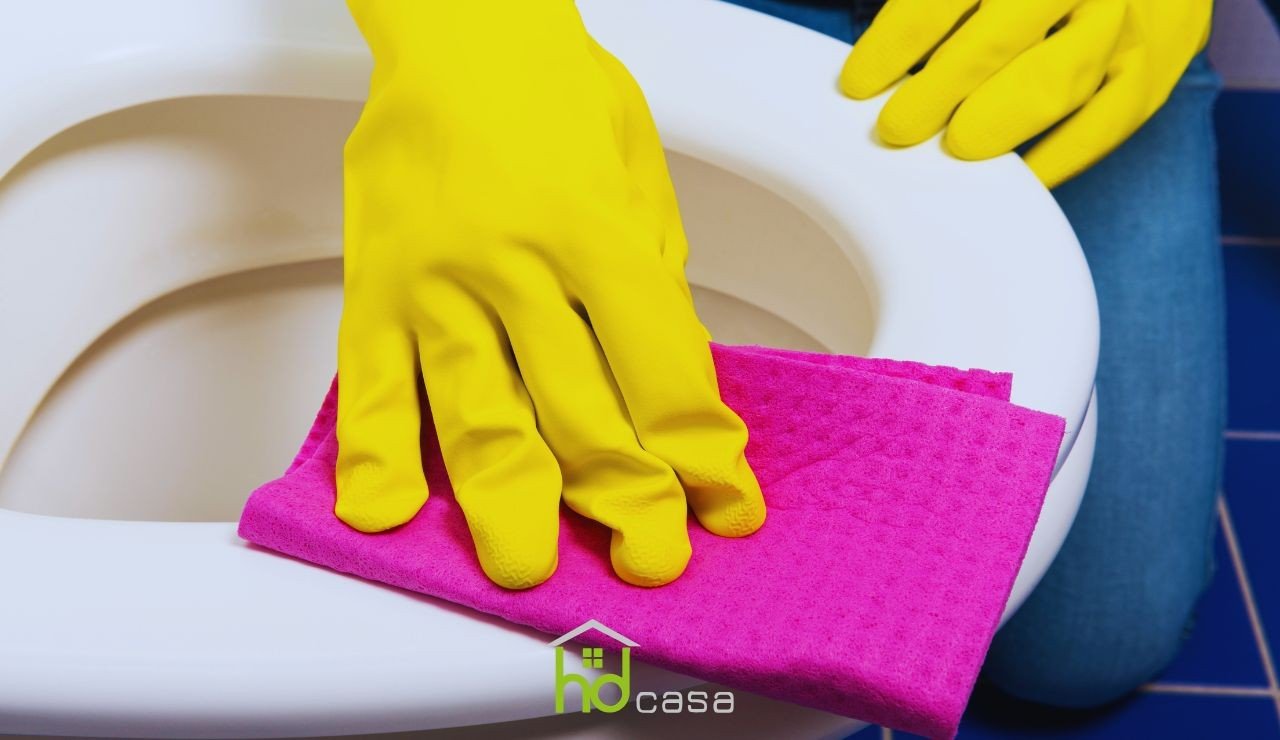
Having a bathroom that is always clean from top to bottom is not only the dream of every housewife, but it is also a necessity and an aspect to which every person should pay attention and importance.
The bathroom is one of the most used and delicate places in the house and in every environment.
Often indoors, subjected to the generation of vapors from the bathtub, the shower enclosure, or the tap, if not correctly aired it can become an unhealthy place.
For this reason, in this complete guide we will explain to you how to clean bathroom sanitary ware in a simple and effective way.
How to clean the shower enclosure
The shower enclosure is subject to the accumulation of limescale, soap residue, and moisture, which can cause stains, halos, and the formation of mold.
Regular and thorough cleaning serves to maintain the shower enclosure in optimal conditions and guarantee a hygienic environment.
Steps for effective cleaning:
- Rinse the surfaces: After each use, rinse the walls and doors of the shower enclosure with warm water to remove soap residue and prevent the formation of limescale.
- Dry the surfaces: Use a squeegee or a microfiber cloth to dry wet surfaces. This simple gesture significantly reduces the accumulation of limescale and prevents the formation of halos.
- Prepare a natural cleaning solution: Mix equal parts of white vinegar and water in a spray bottle. Vinegar is an excellent natural limescale remover and helps dissolve mineral deposits.
- Apply the solution: Spray the mixture on all internal surfaces of the shower enclosure, including walls, doors, and taps. Leave it to act for about 15 minutes to allow the vinegar to dissolve the limescale.
- Scrub the surfaces: Use a non-abrasive sponge or a microfiber cloth to scrub the surfaces, focusing on areas with accumulations of limescale or soap residue.
- Rinse thoroughly: After cleaning, rinse all surfaces with warm water to eliminate vinegar and dirt residues.
- Dry again: Dry all surfaces with a clean cloth to prevent the formation of new water stains or halos.
Additional tips:
- For stubborn stains: If there are particularly resistant limescale stains, to remove limescale from the shower you can directly apply pure white vinegar to the affected area, leaving it to act for a few minutes before scrubbing and rinsing.
- Cleaning the seals: Silicone seals can accumulate mold. To clean them, use a solution of water and baking soda, applying it with a soft toothbrush and scrubbing gently.
- Prevention: To reduce the accumulation of limescale, consider installing a water softener or using specific products that create a protective barrier on the surfaces of the shower enclosure.
By following these steps, your shower enclosure will remain clean, bright, and sanitized, contributing to a healthier and more pleasant bathroom environment.
How to clean the bathroom washbasin
The bathroom washbasin is one of the most used elements and, consequently, tends to accumulate dirt, soap residue, and limescale. Let's discover together how to make it shiny and splendid in a short time with effective methods that ensure its preservation.
Steps for effective cleaning:
- Remove the objects present on it: Before starting, free the washbasin of any objects such as soap dispensers, toothbrushes, or other accessories.
- Rinse the surface: Use warm water to wet the entire surface of the washbasin, facilitating the removal of superficial dirt.
- Apply a mild detergent: Choose a neutral detergent or one specific for ceramic. Avoid overly aggressive products that could damage the surface.
- Scrub with a non-abrasive sponge: Use a soft sponge to clean the inside of the washbasin, focusing on any stains or residues.
- Clean the drain hole: Remove any residues accumulated in the drain hole using a toothbrush dedicated to cleaning.
- Rinse thoroughly: After cleaning, rinse the washbasin with warm water to eliminate every trace of detergent.
- Dry the surface: Use a clean microfiber cloth to dry the washbasin, preventing the formation of halos or water stains.
Additional tips:
- For stubborn stains: If there are stains that are difficult to remove, such as limescale residue, you can prepare a paste with baking soda and water. Apply the paste to the stain, leave it to act for a few minutes, then scrub gently and rinse.
- Prevention: To keep the washbasin clean longer, dry the surface after each use and avoid leaving residues of soap or toothpaste.
By following these steps, your washbasin will remain clean, hygienic, and bright, contributing to a more pleasant bathroom environment.
How to clean the bathroom taps
The bathroom taps are subject to the accumulation of limescale, water stains, and soap residue, which can compromise their aesthetics and functionality. Clean accurately and consistently to keep them shiny and in perfect condition.
Steps for effective cleaning:
- Rinse the taps: Start by rinsing the taps with warm water to remove superficial dirt and soften any deposits.
- Prepare a natural cleaning solution: Mix equal parts of white vinegar and water in a spray bottle. Vinegar is effective in dissolving limescale and has antibacterial properties.
- Apply the solution: Spray the mixture on the entire surface of the taps, making sure to cover even the less visible areas.
- Leave to act: Leave the solution on the taps for about 15 minutes, allowing the vinegar to dissolve the limescale deposits.
- Scrub gently: Use a non-abrasive sponge or a microfiber cloth to clean the taps, focusing on areas with accumulations of limescale or stains.
- Rinse thoroughly: After cleaning, rinse the taps with warm water to eliminate every residue of vinegar and dirt.
- Dry and polish: Dry the taps with a soft, clean cloth to prevent the formation of halos and maintain a shiny surface.
Additional tips:
- For stubborn stains: If there are particularly resistant limescale stains, you can directly apply pure white vinegar to the affected area, using a soaked cloth or wrapping the part with a cloth soaked in vinegar and leaving it to act for 30 minutes before scrubbing and rinsing.
- Cleaning the aerator filters: The tap filters can accumulate limescale, reducing the water flow. Unscrew the aerator, immerse it in a solution of vinegar and water for 30 minutes, then rinse it and reassemble it.
- Avoid abrasive products: Do not use abrasive sponges or aggressive detergents that could scratch or damage the finish of the taps.
- Regular maintenance: Dry the taps after each use to prevent the formation of water stains and limescale.
By following these steps, your bathroom taps will remain clean, shiny, and functional, contributing to the overall aesthetics of the environment.
How to clean the bathroom bidet
The bidet, a sanitary fixture present only in Italy, but widely appreciated for how much it simplifies taking care of one's personal hygiene, requires regular cleaning to prevent the accumulation of limescale, soap residue, and bacteria. Keeping the bidet clean is fundamental to use a hygienically safe sanitary fixture free of bacterial proliferation.
Steps for effective cleaning:
- Rinse the surface: Start by rinsing the inside of the bidet with warm water to remove superficial dirt and soften any encrustations of dirt.
- Apply a specific detergent: Use a toilet fixture detergent that also contains a disinfectant, to eliminate with greater certainty the possible presence of bacteria.
- Leave the detergent to act: After applying the product, leave it to act for a few minutes to allow the dissolution of dirt and limescale.
- Scrub with a non-abrasive sponge: Use a soft sponge to clean the inside and outside of the bidet, paying particular attention to the areas around the drain hole and the tap.
- Clean the tap and accessories: Remove the tap filter and soak it for half a day in a small glass with some vinegar to eliminate every trace of limescale.
- Rinse thoroughly: After cleaning, rinse the bidet with warm water to eliminate every residue of detergent.
- Dry the surface: Use a clean microfiber cloth to dry the bidet, preventing the formation of halos or water stains.
Additional tips:
- For stubborn stains: If there are stains that are difficult to remove, such as limescale residue, you can prepare a paste with baking soda and water. Apply the paste to the stain, leave it to act for a few minutes, then scrub gently and rinse.
- Prevention: To keep the bidet clean longer, dry the surface after each use and avoid leaving residues of soap or other products.
By following these steps, your bidet will remain clean, hygienic, and bright, contributing to a more pleasant bathroom environment.
How to clean the bathtub
The bathtub is a central element of the bathroom, often subject to the accumulation of limescale, soap residue, and stains that can compromise its appearance and hygiene.
Steps for effective cleaning:
- Rinse the bathtub: Start by rinsing the inside of the bathtub with warm water to remove superficial dirt and soften any residues.
- Prepare a natural cleaning solution: Mix equal parts of baking soda and white vinegar to form a paste. This combination is effective in removing stains and residues without damaging the surface.
- Apply the paste to the surface: Use a non-abrasive sponge to evenly distribute the paste over the entire internal surface of the bathtub, focusing on areas with stains or accumulations of limescale.
- Leave to act: Leave the paste in place for about 15-20 minutes to allow the ingredients to dissolve the dirt and limescale.
- Scrub gently: After the acting time, use the sponge to scrub the surface of the bathtub with circular movements, paying particular attention to the dirtiest areas.
- Rinse thoroughly: Rinse the bathtub with warm water to eliminate every residue of paste and dirt.
- Dry the surface: Use a clean microfiber cloth to dry the bathtub, preventing the formation of halos or water stains.
Additional tips:
- For stubborn stains or yellowing: If the bathtub features particularly resistant stains or widespread yellowing, you can use a solution of water and spirits of turpentine. Apply the mixture to the surface, leave to act for at least 10 minutes, then remove with a sponge.
- Avoid abrasive products: Do not use abrasive sponges or aggressive detergents that could scratch or damage the finish of the bathtub.
- Regular maintenance: After each use, rinse and dry the bathtub to prevent the accumulation of residues and the formation of stains.
Keep the bathroom clean and hygienic to guarantee a healthy and welcoming environment. By following the detailed steps for cleaning each element—from sanitary fixtures to surfaces, from mirrors to floors—you can ensure that every corner of your bathroom shines. Remember that regular maintenance preserves the aesthetics and guarantees the longevity of furniture and sanitary fixtures.
With dedication and attention to details, you will transform your bathroom into an oasis of cleanliness and well-being, reflecting the harmony and care you dedicate to your home.


