

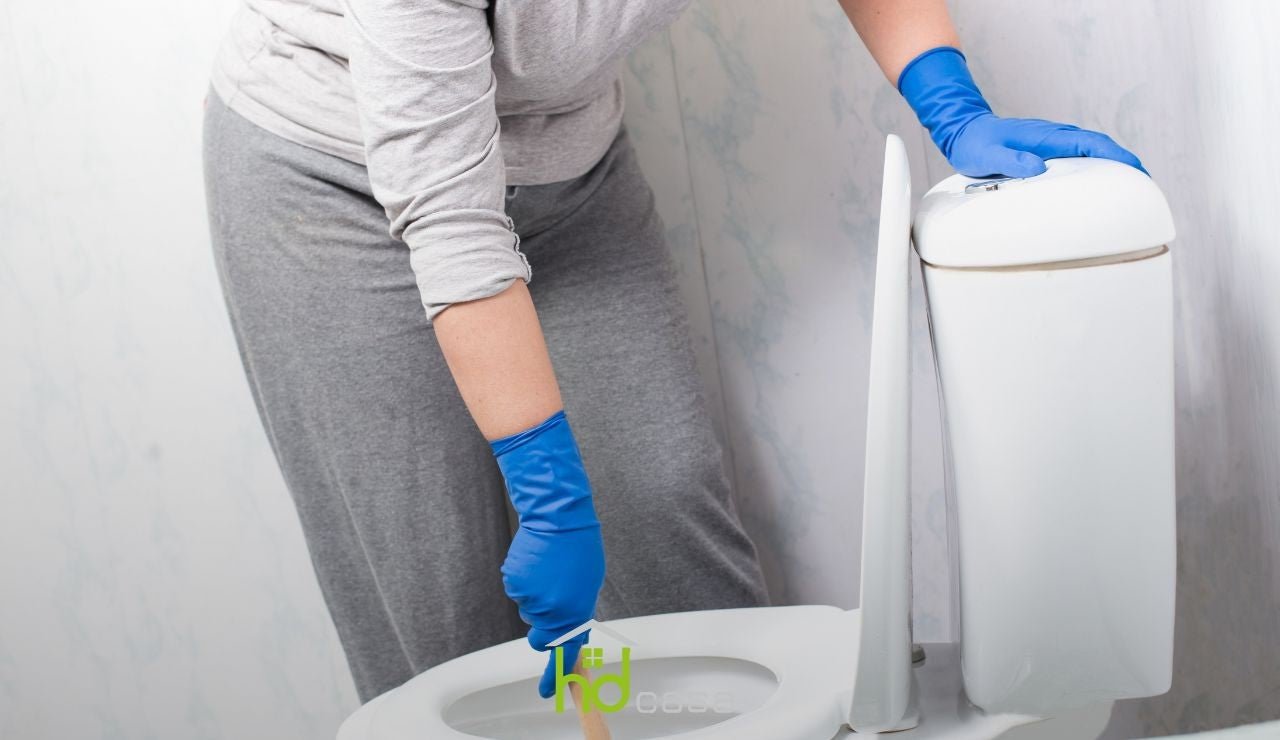
How to clean limescale from the toilet is a more than legitimate question.
Limescale can become an annoying and unsightly obstacle, compromising not only the appearance of the toilet but also its operation.
Fortunately, there are several effective strategies to eliminate limescale and keep the toilet clean and working at its best.
In this article, we will give you practical solutions to understand how to clean limescale from the toilet and have a hygienic and fresh environment in your bathroom.
Why limescale forms
Limescale accumulates in the toilet due to the presence of minerals, such as calcium carbonate, in the water.
When water evaporates or dries, limescale deposits on the inner walls of the toilet, forming particles, which often appear as white or yellowish stains.
This phenomenon is particularly common in areas with hard water, which contains a high concentration of minerals such as calcium and magnesium.
The higher the temperature of the water, the easier it becomes for limescale to crystallize and deposit on surfaces.
When the water heats up, the limescale particles that have deposited cause:
- encrustations;
- damaged surfaces;
- corrosion of pipes.
The toilet bowl contains water in large quantities that is full of limescale and that can deposit on the surface, forming that dark stain you see stuck at the bottom.
Before it is visible to the naked eye, in reality, a bit of time is needed: limescale begins to deposit forming small, almost invisible opaque deposits that gradually become more visible as they accumulate.
Also, the lack of regular cleaning of the toilet can contribute to the accumulation of limescale deposits over time.
Cleaning consistently is essential to remove limescale deposits and prevent the formation of significant accumulations.
How often to clean the toilet
Before seeing how to clean limescale from the toilet, let's see how often it should be cleaned.
The longer limescale is left on the toilet surface, the more it sticks and consequently, the more difficult it will be to remove it.
In addition to this, it is a sanitary fixture that is in direct and continuous contact with organic materials, bacteria, and viruses that deposit on its internal surfaces.
The frequency with which it is necessary to clean the toilet to prevent limescale formation depends on several factors, including:
- water hardness;
- daily use;
- cleaning habits.
Clean the toilet regularly, performing a deep clean at least once a week or at most every 2 weeks.
This will help you remove any residues and impurities before they have the chance to accumulate and form limescale.
Bonus: after each use of the toilet, rinse the inside with water, to prevent any urine residues or other substances from accumulating and contributing to the formation of limescale.
How to clean limescale from the toilet
As with cleaning shower limescale, also to clean your toilet and eliminate limescale you can use products that you can easily find on the market or choose to use natural remedies.
Natural products to clean the toilet
To clean your toilet from the limescale encrustations that have formed, you will need some easily available tools:
- White vinegar
- Baking soda
- Toilet brush
- Protective gloves
- Clean cloths
- Bucket
Once you have gathered everything you need, you can proceed with the cleaning:
- Empty the toilet: before starting the cleaning, make sure the toilet is empty and the water is completely flushed.
- Prepare a vinegar and baking soda solution: pour a glass of white vinegar into the toilet bowl, let the vinegar act for at least 30 minutes or even more, depending on the degree of limescale present.
- Add baking soda: after the resting time, add about ½ to 1 cup of baking soda into the toilet bowl. This will create an effervescent reaction that will help break down limescale and stains.
- Scrub using the brush: use a toilet brush to vigorously scrub the inner walls of the bowl. Focus on the areas most affected by limescale. The combination of vinegar and baking soda will help break down and remove limescale deposits.
- Rinse and repeat if necessary: once the scrubbing is finished, rinse the toilet thoroughly with clean water. Check if there are still limescale residues. If necessary, repeat the cleaning process.
- Dry the toilet: finally, dry the surfaces with a clean cloth.
By following these steps, you will know how to clean limescale from the toilet in a simple way, with an economical remedy and a low environmental impact.
Tip: perform this thorough cleaning regularly to prevent limescale formation in the future.
Clean the toilet with specific detergents
To remove limescale encrustations, use a commercial product specifically formulated for toilets.
There are several on the market; regardless of which one you choose, always follow the instructions on the label and use protective gloves during cleaning.
- Specific detergent: apply the detergent following the instructions on the label, then leave it to act for the recommended time, then scrub with a toilet brush and rinse with water.
- Descaling gel: apply the gel to the affected surfaces following the instructions on the label and leave it to act for the recommended time, then scrub and rinse.
- Toilet cleaning powder: apply the powder following the instructions on the label, then scrub with a toilet brush and rinse.
How to whiten the toilet
Once it is clear how to clean limescale from the toilet, let's see how to whiten it.
If, due to excessive limescale, your toilet has lost the brightness of its color, know that there are useful methods to whiten it.
In addition to classic commercial products containing bleaching agents, an absolutely easy and natural method to whiten the toilet is to use lime or lemon:
- Scrub the inner surface of the toilet with a lemon cut in half or with lime/lemon juice. Lemon has whitening and disinfectant properties that can help remove stains.
- Leave to act for a few minutes.
- Rinse thoroughly.
How to clean the toilet brush
Cleaning the toilet brush is equally important to maintain bathroom hygiene and prevent limescale from forming.
Here are some ways to clean it effectively. Use:
- White vinegar: fill a bucket with equal parts hot water and white vinegar, immerse the toilet brush inside and leave it to soak for at least 30 minutes. This will help disinfect and degrease the brush.
- Toilet cleaner: spray it directly onto the brush bristles and scrub with a brush or sponge, then rinse thoroughly with clean water.
- Ammonia: if the brush is particularly dirty or stained, dilute a little ammonia in hot water and soak the brush for about an hour. Afterward, scrub the brush with a brush or sponge and rinse thoroughly.
After cleaning, make sure to rinse the brush well with clean water.
Let it dry completely before putting it away.
Remember to regularly clean the toilet brush holder as well to avoid the formation of bacteria and bad odors.
How to clean the toilet tank
Cleaning the toilet tank is another important aspect of maintaining bathroom hygiene and preventing the formation of limescale and bad odors.
To do this:
- Completely empty the toilet tank. You can do this by turning off the water supply and flushing until it is completely emptied.
- Use a multi-purpose cleaner or a specific toilet cleaner to clean the outside of the tank. Spray the cleaner on the surface and scrub it with a sponge or a clean cloth. Make sure to also clean the buttons or the flush lever.
- Use a solution of white vinegar and hot water to clean the inside. Pour a sufficient amount of vinegar into the toilet tank and let it act for at least 30 minutes. Then, use a toilet brush or a sponge to scrub the inner walls of the tank and remove any limescale deposits or stains.
Cleaning the tank regularly helps maintain a hygienic and fresh environment in the bathroom.
Tip: clean the tank at least once a month or more often if necessary, depending on use.
How to clean limescale from the toilet: prevention is better
Some regular maintenance practices can prevent the appearance of limescale in the toilet.
Once it is clear how to clean limescale from the toilet, let's see how to prevent it:
- Use of a water softener: if you live in an area with particularly hard water, consider installing a water softener. These devices reduce the amount of minerals present in the water, thus reducing limescale formation on toilet surfaces and in other plumbing fixtures.
- Regular cleaning: maintain a regular cleaning routine for the toilet, including cleaning the inner walls of the tank and the bowl. Regular cleaning helps prevent the buildup of limescale deposits and impurities.
- Use anti-limescale products: there are numerous anti-limescale products available on the market, such as tablets to insert into the toilet tank or liquid additives to pour into the bowl. These products help prevent limescale formation and keep the toilet cleaner for longer.
- Bathroom ventilation: ensure the bathroom is well ventilated to reduce humidity. Humidity can contribute to limescale formation, so use an exhaust fan or open a window during and after using the bathroom.
- Regular rinsing: After each use of the toilet, rinse the bowl with water to remove any residues and impurities. This helps prevent the accumulation of limescale deposits over time.
- Check for leaks: make sure there are no leaks or drips around the toilet, tank, or supply pipe. Water leaks can contribute to limescale formation, so promptly repair any leaks.
By following these maintenance and prevention practices, you can significantly reduce limescale formation in your toilet, keeping it clean and in good condition over time.


